Xiaojun
 2026-11-08
Screw Failure Analysis: How to Identify the Root Cause
Screw breakage, thread stripping and loosening are common—but rarely random. A structured failure analysis helps separate a product defect from an application issue.
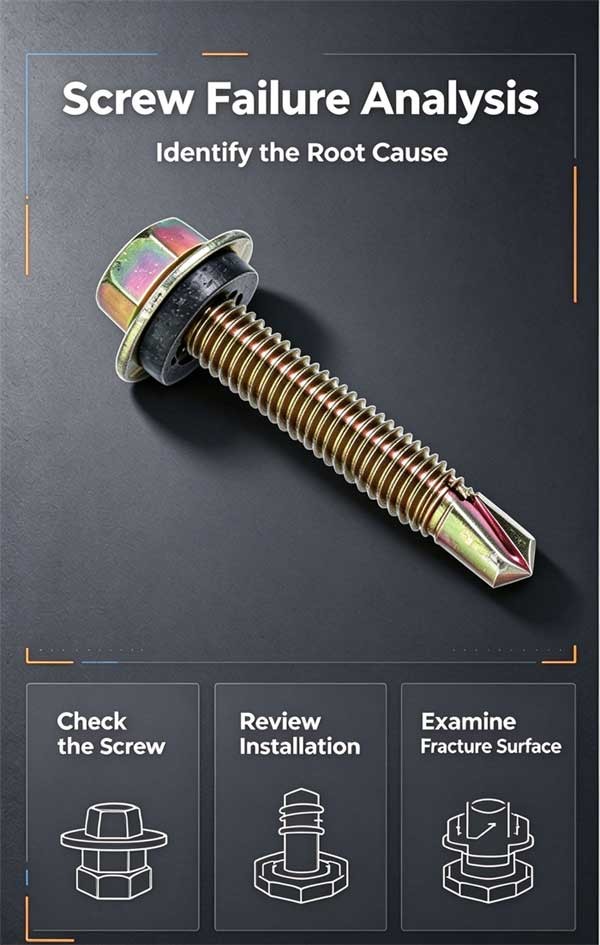
1. Define the failure mode
Collect failed samples, mating parts and installation records. Confirm whether the issue is fracture, thread stripping, loosening, corrosion or fatigue. Photos and batch numbers are essential for traceability.
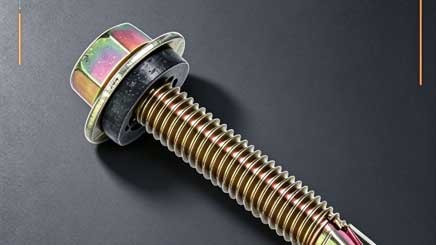
2. Check the screw itself
Verify material grade, hardness, tensile strength, thread dimensions, coating and surface defects. For high-strength plated screws, assess hydrogen embrittlement risk. Compare failed parts with retained samples from the same batch.
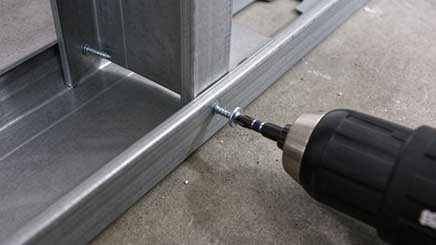
3. Review the joint and installation
Check torque, preload, hole size, thread engagement, clamp length and whether washers or thread-locking methods are used. Over-torque can cause stripping; under-torque can lead to loosening. Vibration, thermal cycling and improper mating materials may also contribute.
4. Examine the fracture surface
A brittle fracture, ductile overload, fatigue crack or corrosion-assisted failure each points to a different cause. This often determines whether the corrective action belongs to the screw supplier or the assembly process.
5. Implement corrective action
Adjust material, heat treatment, coating, thread tolerance, torque settings or joint design as needed—then validate with testing and batch traceability.
At XIAOJUN company, we support customers with sample retention, inspection records and failure analysis to solve problems at the source—not just replace parts.
A reliable screw starts with understanding why it failed.
© 2026 Handan Xiaojun Fastener Manufacturing Co.,Ltd





 2026-11-08
 Xiaojun Catalogue 2025